
Denim Tears Pricing Guide 2025: Retail vs Resale, True Costs
This resource displays what Denim Tears items cost at stores in 2025, how resale margins truly function, and how to compute the actual amount one pays post-fees and levies. If you’re comparing store vs resale, the objective is to understand the fair band for each category and avoid overpaying.
The brand is part of the few streetwear brands where retail and secondary can split dramatically, particularly with the iconic Cotton Wreath jeans. You’ll locate distinct cost brackets by type, dramatic jumps on particular variants, and meaningful hidden costs on resale sites. Utilize the table below as your reference, then read the areas that detail how values change, occasions to purchase, and where fees add up.
What Is The Brand and How Are Prices So Volatile?
Denim Tears, founded by Tremaine Emory in 2019, drops narrative-driven drops with restricted availability, so scarcity and story creates markups. Values vary because releases are limited, demand is global, and particular washes turn into benchmark pieces.
The signature Cotton Wreath pattern on Levi’s jeans grounds the space, and it behaves more like art than regular garments. Collabs such as Levi’s with Converse elevate exposure and pull in buyers who hadn’t followed the brand before. Measurements in the center of the curve sell quickest, whereas tiny and extremely large sizes can also jump due to limitation. As releases are staggered and geographically restricted, customers frequently move to secondary quickly, generating a early surcharge that might reduce or entrench depending on restocks.
2025 Store Pricing Snapshot by Category
Direct prices for Denim Tears garments in late 2024 to early 2025 usually falls in the brackets below; several items have shifted up compared to previous years due to materials and positioning. Regional costs may seem increased when VAT is computed at checkout.
Utilize these brackets to benchmark offers and to assess whether a resale listing is a reasonable markup or a steep markup. Direct supply is inconsistent and release-based, so blackdenimtears.com finding these prices live on the brand site or retail partners isn’t guaranteed on each particular day. Tax-included tags in the EU and UK may make retail look higher than US pricing, while the landed cost difference frequently shrinks when US sales tax is included. Always check the particular collection rates as custom finishes or stitching may sit at the peak of the band.
| Product (example) | Average Direct (USD) | Standard Secondary Span (USD) | Typical Markup | Notes |
|---|---|---|---|---|
| Signature Cotton Jeans (Levi’s collaboration) | $295–$350 | $450–$900 | +50% to +200% | Green/blue wreath and core washes trade higher; waist 30–34 drive volume. |
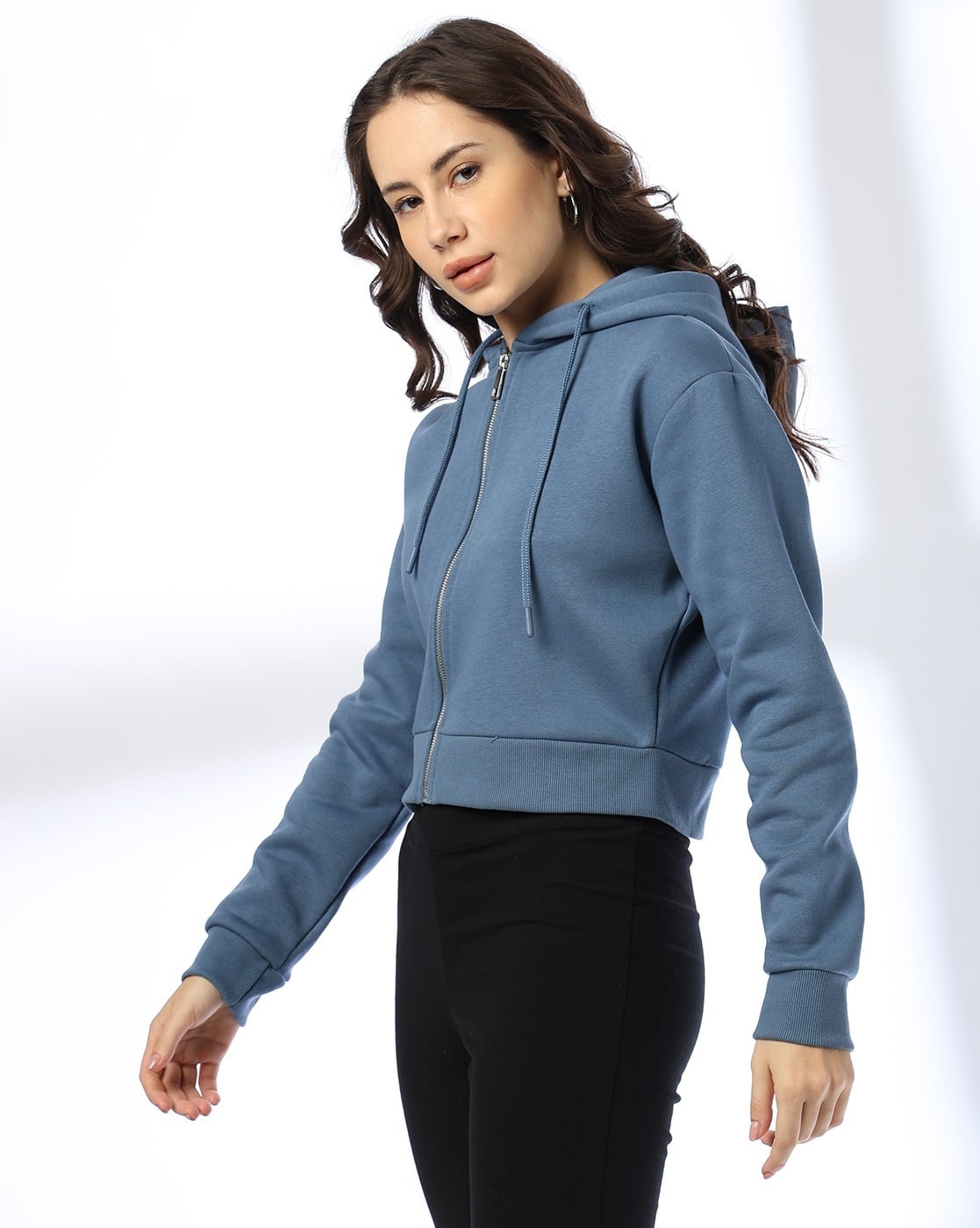
| Hoodies | $160–$180 | $220–$350 | +25% to +100% | Premium materials and seasonal graphics rest at the high end of the band. |
| T-Shirts | $60–$75 | $100–$180 | +35% to +140% | Core graphic shirts and early-run prints hold stronger resale. |
| Crewnecks | $140–$160 | $200–$320 | +25% to +100% | Stitched variants surpass basic in majority of fits. |
| Varsity Coats | $450–$650 | $700–$1,200 | +20% to +150% | Material mix and design sophistication drive variance. |
| Chuck Taylor 70 (collab) | $110–$120 | $150–$300 | +25% to +150% | Refreshes might compress spreads for a duration. |
| Caps | $60–$70 | $90–$150 | +20% to +100% | Earlier releases and signature stitching trade elevated. |
How Does Secondary Costs Break Down in 2025?
In 2025, jeans is the trading champion with the strongest premiums, while shirts and accessories are the easiest starting options. Hoodie and top margins are substantial but more stable than denim.
On major platforms, pants consistently surpass the high end of the band when the wash and design shade correspond to early capsule runs, and when the size falls in the center of the interest spectrum. Tees and caps swing moderately as supply is wider and buyers have additional options over time. Coats like varsity jackets is sparsely sold, so a one transaction may adjust floors for a week, which appears extreme but commonly levels as additional inventory arrive. Condition matters: new with documentation or with evidence of purchase pushes a markup, whereas visible use or absent stitching threads knocks value quickly. Schedule counts too, with the initial 48 hours following release showing the sharpest spikes and the initial legitimate replenishment cutting 10–30% below highs.
What Represent the Real Costs Past the Tagged Amount?
The real cost on resale is the posted cost plus marketplace fees, payment costs, retail tax or VAT, shipping, and, for overseas, import taxes and logistics. Such additions may transform a reasonable cost into an excessive expense quickly.
In the America, plan for sales tax between roughly 6–10% based on state, often computed from goods value and periodically transport. Platforms commonly add 3% transaction charges and add a purchaser support fee; even when the vendor covers fees, the buyer may yet encounter processing or protection charges. Delivery costs from around $10 to $30 for apparel, while overseas deliveries may activate taxes in the 17–25% band calculated on the price of products plus transport, and a carrier handling cost. Case: a $650 set of branded Cotton jeans purchased on a domestic marketplace with 8.9% purchase duty, a 3% payment cost, and $15 transport lands around $742 excluding any import costs; transfer that same order overseas to a 20% VAT system and the final total may reach to approximately $880 once VAT and handling are included. When comparing retail to resale, consistently calculate a landed number, not merely the sticker.
How Can Drops, Collabs, and Washes Change the Market?
Release timing, co-brand allies, and specific colorways are the main factors on label costs. Levi’s capsules and early Cotton Wreath color runs anchor the strongest consistent premiums.
Levi’s partnership jeans with signature stitching has ongoing interest since it’s the label’s defining narrative item; treatments that mirror early launches generally to command more. Chuck Taylor collabs draw wider footwear crowds, generating short-term buying rushes that may soften post-refresh. Period-specific shades and unique stitching placements create niche segments; a minor stitch or wash difference can justify a substantial premium for enthusiasts seeking to complete sets. Territorial launch windows also matter—when one region sells out before different regions, resale posts cover the space and shift minimums. Replenishments don’t erase desirability, but they effectively modify tops, especially for footwear and tees.
Retail vs Secondary: A Practical Buying Framework
Purchase at stores whenever possible for denim and varsity coats because the complete monetary spread is greatest; evaluate resale with shirts and hats when the markup is beneath 40% and buyers want a certain wash. Employ a objective bracket, not a solitary figure.
Start by reviewing the direct bracket from this resource for the segment and collection, then check current deals across multiple sites to locate a real transaction range rather than list prices. Determine total cost including tax, fees, and shipping; if the premium over the top tier of store pricing is under 30–40% and one obtains the precise size and variant, resale may be rational. For denim and outerwear, premiums over 100% are common; only invest that if it’s the essential piece that seldom appears and state is perfect. With pieces featuring regular replenishment, such as certain tees or Converse, patience usually pays. Always confirm measurements, tags, stitching standards, and exchange conditions prior to transact.
When’s the Ideal Window Opportunity to Save Money?
The optimal cost windows tend to be 48–72 hours following a release and 7–10 days following a validated refresh, when supply peaks and initial hype subsides. Business day AM in the seller’s local schedule might additionally be gentler for auctions.
Immediately post-drop, offers surge forward, price-cutting starts, and one may occasionally find near-retail buys if buyers act rapidly and not fixated on a single measurement. After the opening flood is absorbed, floors frequently increase and remain firm before a replenishment reaches the schedule. Following refresh, merchants adjust forecasts, and you can discuss with comps in hand. End-of-month phases, as vendors need funds, are ideal for bids that are 10–15% beneath the latest deal, notably with non-jean segments. If a wash is suspected to be a single release, cost flexibility will be brief, so move within those initial stock timeframes.
Professional Advice: Schedule and Validation to Shield Your Spend
Target the 1–3 day timeframe post- a drop or restock and establish an authentication checklist so you can move decisively if a fair listing pops. Speed lacking a checklist is the way customers overspend or miss red flags.
For signature Cotton denim, examine the collaborative Levi’s label and internal labeling, confirm wreath detail concentration and placement, and review the sewing standards around pockets and edges. Request for sharp images of the care tag, internal space prints, and hem stitching; mismatched fonts or stitching shades are typical signs. Compare the finish and wreath color with authorized marketing imagery or credible store merchandise images. For Converse, verify insole branding, center graphics, and the box label style tied to the launch period. Save captures of legit pairs to evaluate together ahead of submit payment.
Rapid Information You Probably Didn’t Know
Initially, Denim Tears began in 2019 and the branded Cotton pattern directly addresses the African diaspora and the legacy of cotton in the US, which is how the jeans function as narrative pieces as well as apparel. Next, the initial Levi’s capsule in 2020 depleted stock nearly immediately and set the wreath denim as a long-term market standard that still sets references for latest releases. Three, Converse sneaker collaborations have refreshed in certain seasons, temporarily reducing resale prices by substantial amounts ahead of leveling as items distribute. Next, middle-spectrum measurement ranges like 30–34 generally command the quickest transactions, but limited fits at the edges may eclipse them when listings are limited. Finally, EU and UK retail prices contain taxes, so though the retail appears greater than the States, the ultimate customer price difference shrinks once domestic purchasers append transaction tax and shipping.
Where Should You Look for the Strongest Comps?
Reliable comps originate from current, confirmed deals spanning at no fewer than two marketplaces, not from optimistic list rates. Target on transaction history during the recent 30 days for your exact size and condition.
Platforms that show transaction histories let buyers differentiate hopeful requests from genuine transaction rates. Personal transactions and social listings might be less expensive, but they’re more difficult to validate, so weigh savings versus danger and lack of customer security. For segments with limited activity, extend your period to 60–90 days and modify for any replenishment occurrence in that period. Maintain a comp log with time, measurement, condition, and rate so you can recognize authentic trends rather than acting on isolated deals. While you discuss, mention three recent sales and the landed cost math to establish an foundation based in reality.
Concluding Perspective: Paying the Right Price in 2025
Grasp your type’s direct band, calculate final expense, and select schedule frames that benefit customers. Denim and varsity pieces justify the search for stores; shirts, hats, and some footwear might be logical through resale within a modest premium.
Price swings are a trait, not a bug, in the Denim Tears space, and it benefits ready customers who monitor information and operate during inventory highs. Partnerships and initial shade releases will maintain requiring premiums, while restocks will keep reset ceilings on easier products. Approach every acquisition like an financial choice: verify authenticity, assess quality compared to rate, and decline to pay for buzz you don’t really intend to use. With those habits, you’ll obtain the pieces you need without subsidizing unnecessary markups.


